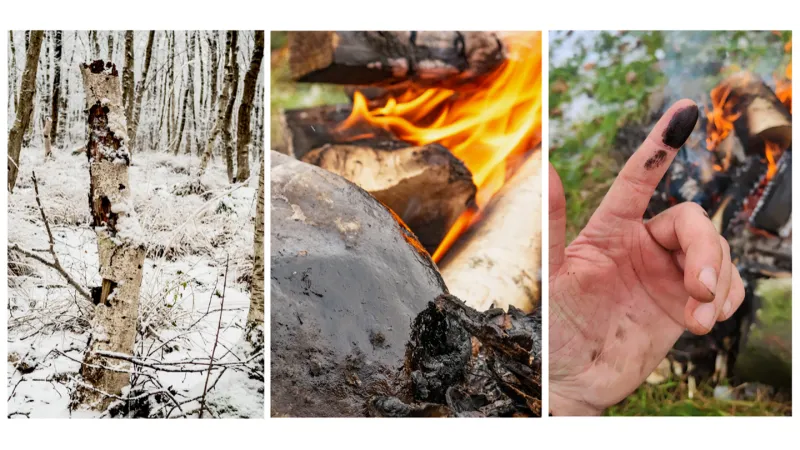
Neandertals made antibacterial ointment, but may not have known it

A team of scientists re-created the way Neandertals made birch tar and found its antibacterial properties could fight off skin infections.A team of scientists re-created the way Neandertals made birch tar and found its antibacterial properties could fight off skin infections.  

Read More

Source: Science News

Related Articles

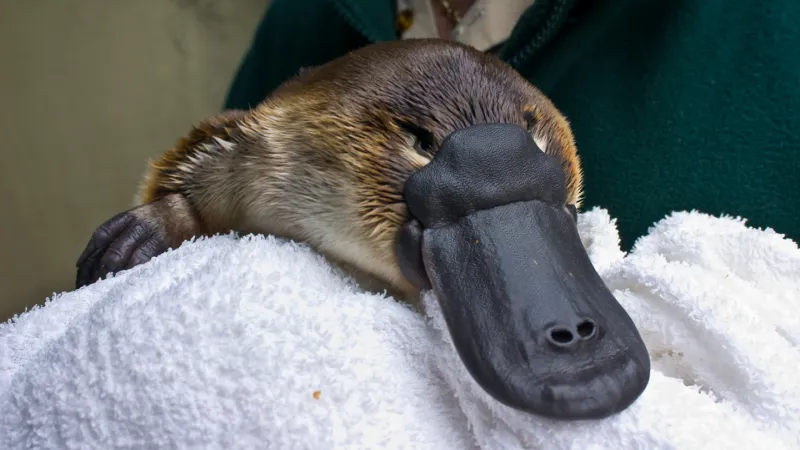
Platypus fur has a surprising feature seen only in bird feathers

Platypuses are the first mammals known to have hollow melanosomes, pigment-bearing structures found in the hair of many animals.Platypuses are the first mammals known to have hollow melanosomes, pigment-bearing structures found in the hair of many animals.  

Read More

Source: Science News

Platypuses are the first mammals known to have hollow melanosomes, pigment-bearing structures found in the hair of many animals.

How realistic is Project Hail Mary?

Ryan Gosling is on a mission to save the sun — and Earth — from star-killing microbes. Science News dissects the science behind the sci-fi movie.Ryan Gosling is on a mission to save the sun — and Earth — from star-killing microbes. Science News dissects the science behind the sci-fi movie.  

Read More

Source: Science News

Ryan Gosling is on a mission to save the sun — and Earth — from star-killing microbes. Science News dissects the science behind the sci-fi movie.

Amid vaccine policy whiplash, here’s how a pediatrician talks to families

A court ruling that blocks Trump administration vaccine policy is a win for science. But much work remains to rebuild trust in vaccines.A court ruling that blocks Trump administration vaccine policy is a win for science. But much work remains to rebuild trust in vaccines.  

Read More

Source: Science News

A court ruling that blocks Trump administration vaccine policy is a win for science. But much work remains to rebuild trust in vaccines.

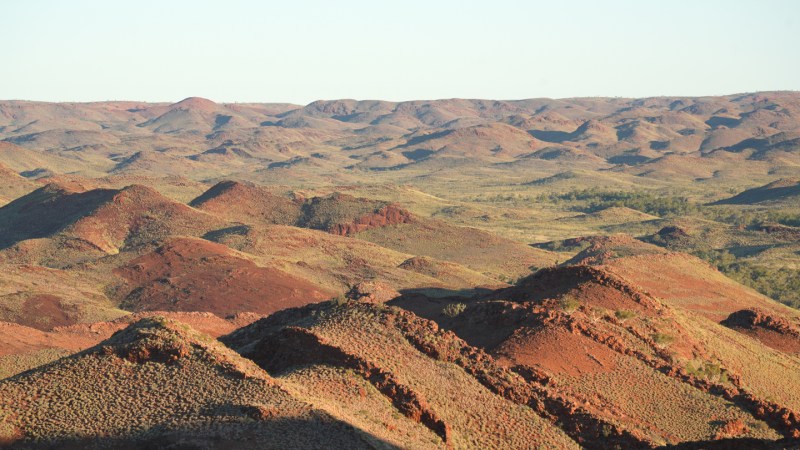
Earth’s continental plates were moving 3.48 billion years ago

Magnetic crystals provide the earliest evidence yet of the plate tectonics that likely made Earth habitable, pushing its start back by 140 million years.Magnetic crystals provide the earliest evidence yet of the plate tectonics that likely made Earth habitable, pushing its start back by 140 million years.  

Read More

Source: Science News

Magnetic crystals provide the earliest evidence yet of the plate tectonics that likely made Earth habitable, pushing its start back by 140 million years.

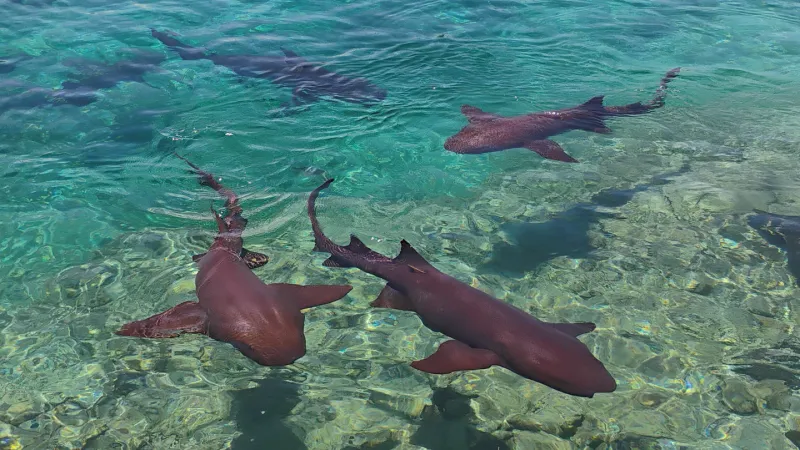
Sharks are ingesting drugs in the Bahamas

Nearly one third of sharks studied near the Bahamas’ Eleuthera Island were found to have caffeine, painkillers and other drugs in their bloodstreams.Nearly one third of sharks studied near the Bahamas’ Eleuthera Island were found to have caffeine, painkillers and other drugs in their bloodstreams.  

Read More

Source: Science News

Nearly one third of sharks studied near the Bahamas’ Eleuthera Island were found to have caffeine, painkillers and other drugs in their bloodstreams.

Science and armed conflict

Editor in chief Nancy Shute discusses how science and armed conflict have been intertwined throughout history, from the Greeks in 400 B.C. to the use of tear gas in the protests across the United States as recently as a few months ago.Editor in chief Nancy Shute discusses how science and armed conflict have been intertwined throughout history, from the Greeks in 400 B.C. to the use of tear gas in the protests across the United States as recently as a few months ago.  

Read More

Source: Science News

Editor in chief Nancy Shute discusses how science and armed conflict have been intertwined throughout history, from the Greeks in 400 B.C. to the use of tear gas in the protests across the United States as recently as a few months ago.

Responses