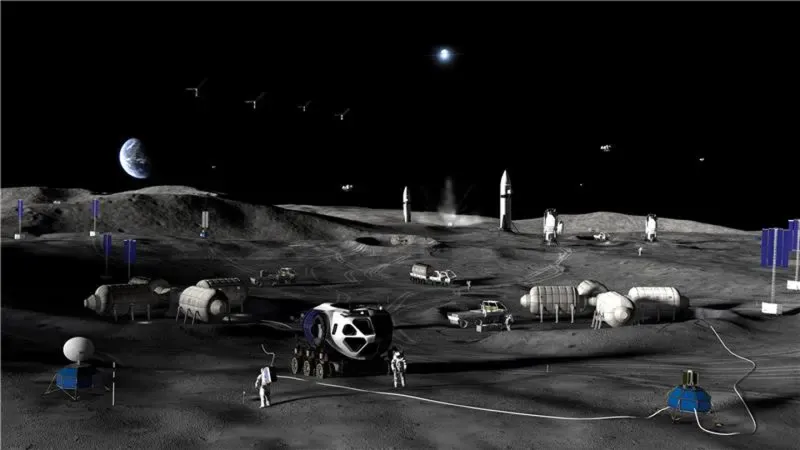
NASA races to have the first moon base and nuclear-propulsion spacecraft

A $20 billion plan for a moon base by 2030 and the launch nuclear-propulsion space exploration raises hopes, but caution given deep government cuts.A $20 billion plan for a moon base by 2030 and the launch nuclear-propulsion space exploration raises hopes, but caution given deep government cuts.  

Read More

Source: Science News

Related Articles

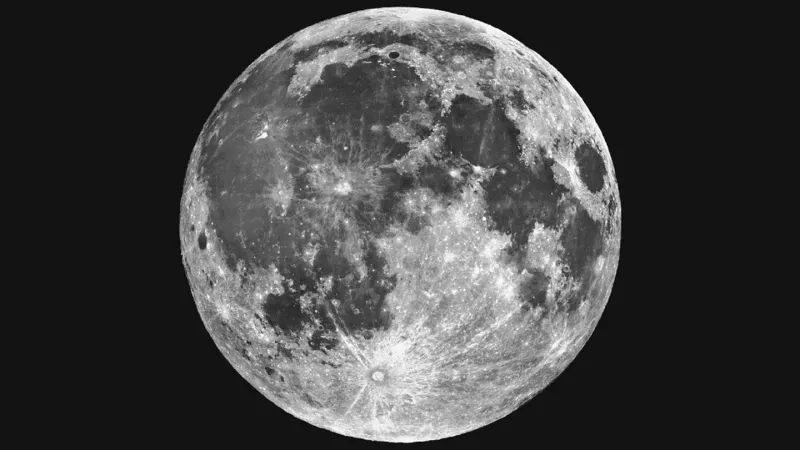
In a rare event, the moon got a massive new crater

A crater as wide as two American football fields formed in spring 2024, a size expected roughly once a century. A NASA orbiter got to watch.A crater as wide as two American football fields formed in spring 2024, a size expected roughly once a century. A NASA orbiter got to watch.  

Read More

Source: Science News

A crater as wide as two American football fields formed in spring 2024, a size expected roughly once a century. A NASA orbiter got to watch.

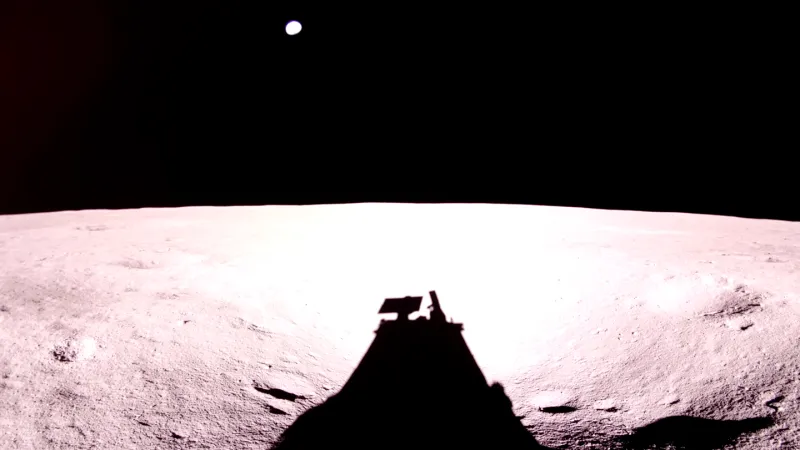
A private moon lander challenges ideas about lunar volcanism

New measurements from the Blue Ghost lander suggest that thin crust, not just radioactive heating, shaped the moon’s dark lava plains.New measurements from the Blue Ghost lander suggest that thin crust, not just radioactive heating, shaped the moon’s dark lava plains.  

Read More

Source: Science News

New measurements from the Blue Ghost lander suggest that thin crust, not just radioactive heating, shaped the moon’s dark lava plains.

How realistic is Project Hail Mary?

Ryan Gosling is on a mission to save the sun — and Earth — from star-killing microbes. Science News dissects the science behind the sci-fi movie.Ryan Gosling is on a mission to save the sun — and Earth — from star-killing microbes. Science News dissects the science behind the sci-fi movie.  

Read More

Source: Science News

Ryan Gosling is on a mission to save the sun — and Earth — from star-killing microbes. Science News dissects the science behind the sci-fi movie.

Science and armed conflict

Editor in chief Nancy Shute discusses how science and armed conflict have been intertwined throughout history, from the Greeks in 400 B.C. to the use of tear gas in the protests across the United States as recently as a few months ago.Editor in chief Nancy Shute discusses how science and armed conflict have been intertwined throughout history, from the Greeks in 400 B.C. to the use of tear gas in the protests across the United States as recently as a few months ago.  

Read More

Source: Science News

Editor in chief Nancy Shute discusses how science and armed conflict have been intertwined throughout history, from the Greeks in 400 B.C. to the use of tear gas in the protests across the United States as recently as a few months ago.

Amid vaccine policy whiplash, here’s how a pediatrician talks to families

A court ruling that blocks Trump administration vaccine policy is a win for science. But much work remains to rebuild trust in vaccines.A court ruling that blocks Trump administration vaccine policy is a win for science. But much work remains to rebuild trust in vaccines.  

Read More

Source: Science News

A court ruling that blocks Trump administration vaccine policy is a win for science. But much work remains to rebuild trust in vaccines.

Responses