These insects fly with their legs. Physics explains how

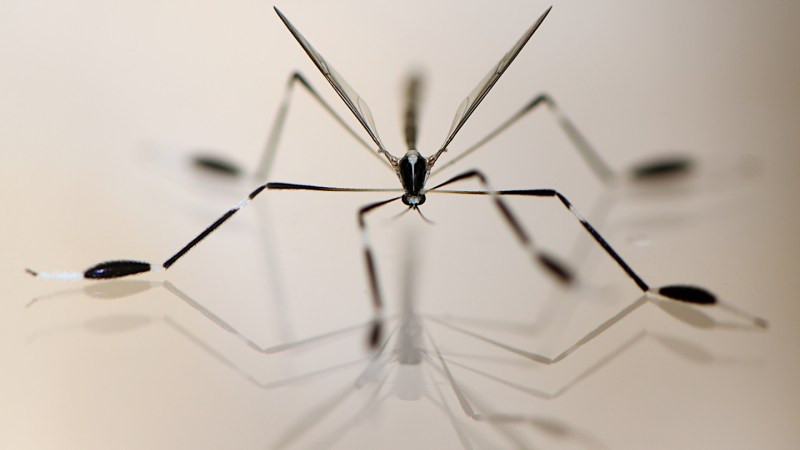
Phantom crane flies change the angle of their splayed legs to increase or reduce drag, helping them navigate varying winds.Phantom crane flies change the angle of their splayed legs to increase or reduce drag, helping them navigate varying winds.  

Read More

Source: Science News

Related Articles

How realistic is Project Hail Mary?

Ryan Gosling is on a mission to save the sun — and Earth — from star-killing microbes. Science News dissects the science behind the sci-fi movie.Ryan Gosling is on a mission to save the sun — and Earth — from star-killing microbes. Science News dissects the science behind the sci-fi movie.  

Read More

Source: Science News

Ryan Gosling is on a mission to save the sun — and Earth — from star-killing microbes. Science News dissects the science behind the sci-fi movie.

Mosquitoes get the ‘I’m full’ signal from their butts, not their brains

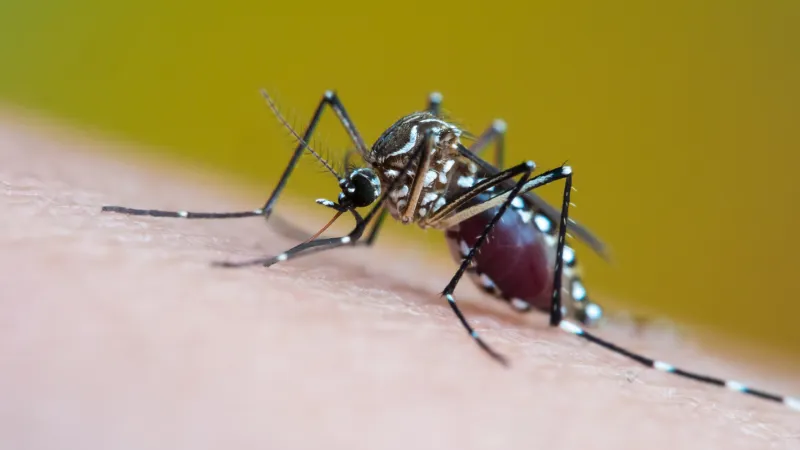
Mosquitoes stop feeding because signals from rectal cells tell them they’re full, offering a target for preventing human bites.Mosquitoes stop feeding because signals from rectal cells tell them they’re full, offering a target for preventing human bites.  

Read More

Source: Science News

Mosquitoes stop feeding because signals from rectal cells tell them they’re full, offering a target for preventing human bites.

City skylines influence cloud formation above them

Satellite data show that U.S. cities have more nighttime cloud cover than nearby countryside, and building height and density help explain why.Satellite data show that U.S. cities have more nighttime cloud cover than nearby countryside, and building height and density help explain why.  

Read More

Source: Science News

Satellite data show that U.S. cities have more nighttime cloud cover than nearby countryside, and building height and density help explain why.

Science and armed conflict

Editor in chief Nancy Shute discusses how science and armed conflict have been intertwined throughout history, from the Greeks in 400 B.C. to the use of tear gas in the protests across the United States as recently as a few months ago.Editor in chief Nancy Shute discusses how science and armed conflict have been intertwined throughout history, from the Greeks in 400 B.C. to the use of tear gas in the protests across the United States as recently as a few months ago.  

Read More

Source: Science News

Editor in chief Nancy Shute discusses how science and armed conflict have been intertwined throughout history, from the Greeks in 400 B.C. to the use of tear gas in the protests across the United States as recently as a few months ago.

Are pig organs the future of transplantation?

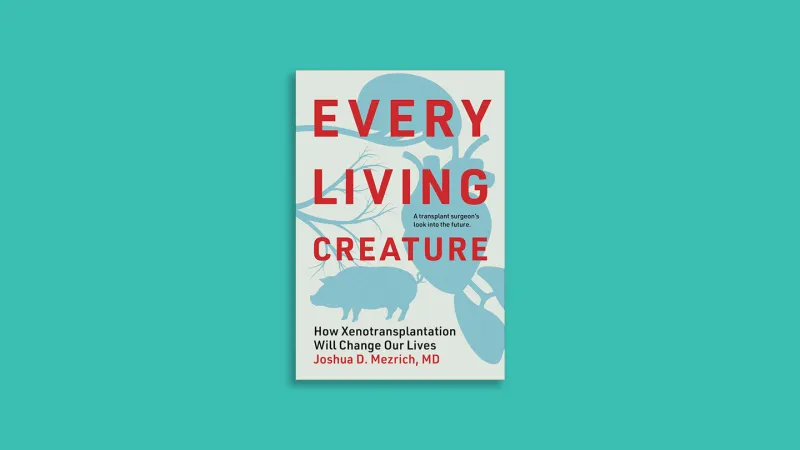
Each year, thousands of people in the U.S. die waiting for donated organs. A new book shares how organs from other species could change that.Each year, thousands of people in the U.S. die waiting for donated organs. A new book shares how organs from other species could change that.  

Read More

Source: Science News

Each year, thousands of people in the U.S. die waiting for donated organs. A new book shares how organs from other species could change that.

Responses