Evolution didn’t wait long after the dinosaurs died

New plankton arrived just a few millennia — maybe even decades — after the Chicxulub asteroid, forcing a rethink of evolution’s catastrophe response speed.New plankton arrived just a few millennia — maybe even decades — after the Chicxulub asteroid, forcing a rethink of evolution’s catastrophe response speed.  

Read More

Source: Science News

Related Articles

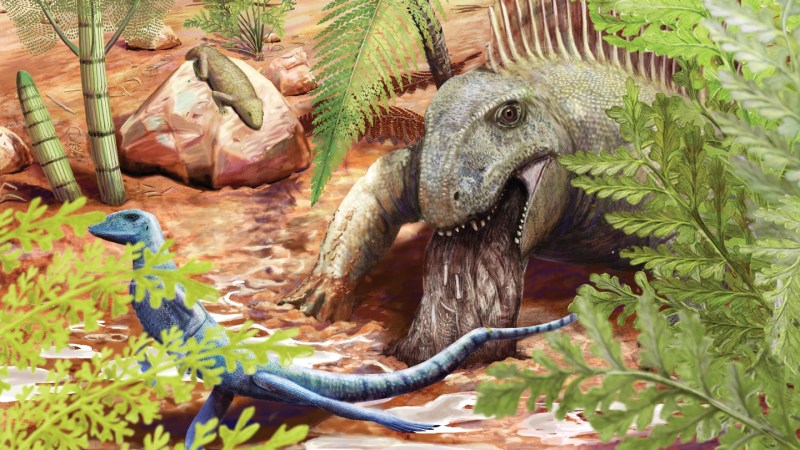
Fossilized vomit reveals 290-million-year-old predator’s diet

The regurgitated material from before the time of dinosaurs provides a rare window into the feeding habits of a prehistoric hunter.The regurgitated material from before the time of dinosaurs provides a rare window into the feeding habits of a prehistoric hunter.  

Read More

Source: Science News

The regurgitated material from before the time of dinosaurs provides a rare window into the feeding habits of a prehistoric hunter.

Daily cups of caffeinated coffee or mugs of tea may lower dementia risk

A long-term observational study found a link between the amount of tea and caffeinated coffee people drank and the risk of dementia.A long-term observational study found a link between the amount of tea and caffeinated coffee people drank and the risk of dementia.  

Read More

Source: Science News

A long-term observational study found a link between the amount of tea and caffeinated coffee people drank and the risk of dementia.

A simple shift in schedule could make cancer immunotherapy work better

A lung cancer trial bolsters a long-held idea that treatment timing matters, showing a simple shift could help immunotherapy work better and extend lives.A lung cancer trial bolsters a long-held idea that treatment timing matters, showing a simple shift could help immunotherapy work better and extend lives.  

Read More

Source: Science News

A lung cancer trial bolsters a long-held idea that treatment timing matters, showing a simple shift could help immunotherapy work better and extend lives.

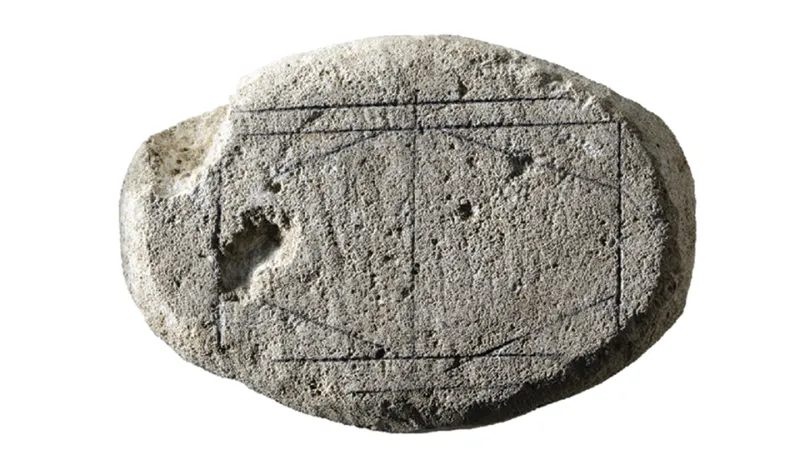
AI helps archaeologists solve a Roman gaming mystery

Researchers used AI-driven virtual players to test more than 100 rule sets, matching gameplay to wear patterns on a Roman limestone board.Researchers used AI-driven virtual players to test more than 100 rule sets, matching gameplay to wear patterns on a Roman limestone board.  

Read More

Source: Science News

Researchers used AI-driven virtual players to test more than 100 rule sets, matching gameplay to wear patterns on a Roman limestone board.

Responses